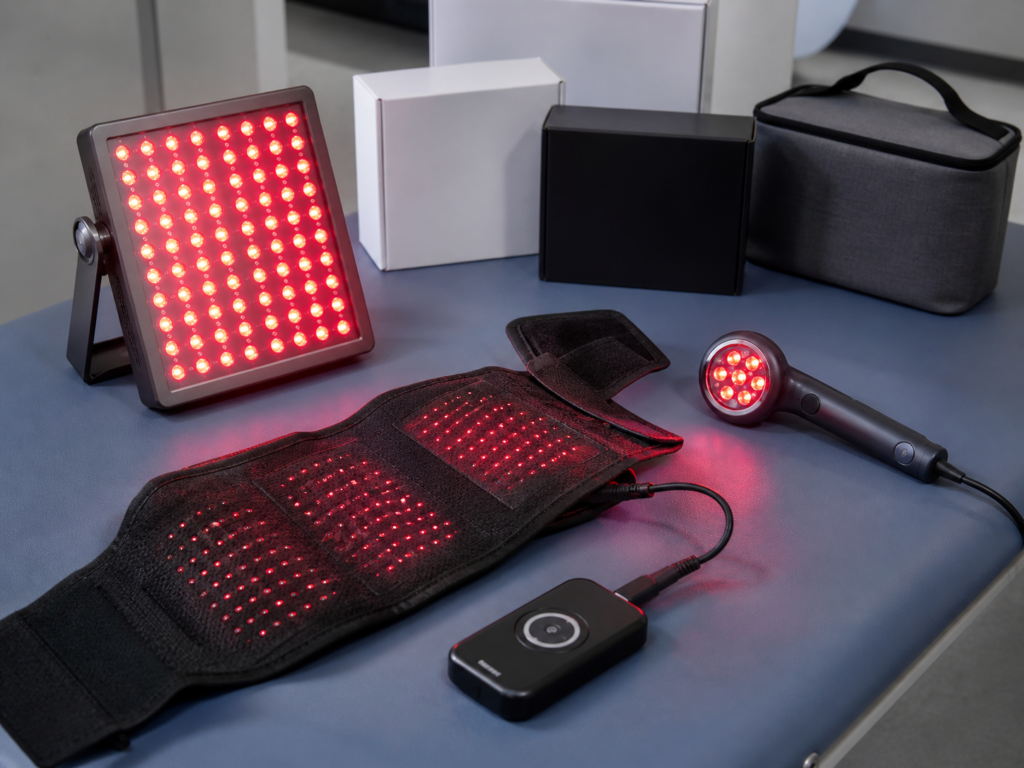
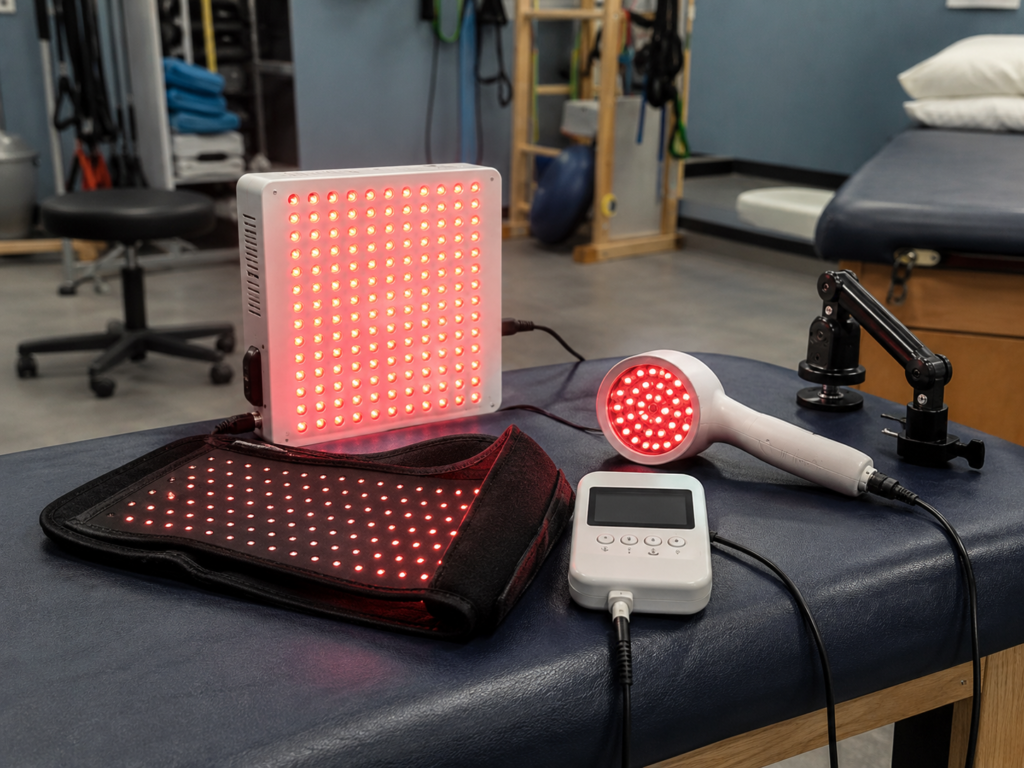
Red Light Therapy for Rehabilitation & Therapy

A professional application scenario for physical therapy clinics, rehabilitation centers and therapy equipment businesses exploring red light therapy.

Explore Matching Products

From Therapy Room to Product Strategy

Rehab therapy applications are not only about placing a red light device in a room. They are about how the product fits therapy workflows, user comfort, therapist operation and professional care environments.

A red light therapy product for rehab therapy should feel professional, stable and easy to operate in clinical-adjacent environments. It needs to consider product form, coverage area, mounting direction, control simplicity, cleaning needs and how naturally the device fits into therapy room routines. RedVance supports rehab therapy projects by reviewing product direction, light configuration, structure, operation experience, installation options and private label presentation together. This helps turn a broad therapy application idea into a more practical and market-ready product direction.

REHAB THERAPY APPLICATION PATHS

Rehab therapy applications are not one-size-fits-all. The right product direction depends on therapy workflow, target use scenario, product format, operation needs and how the device will be used or sold.

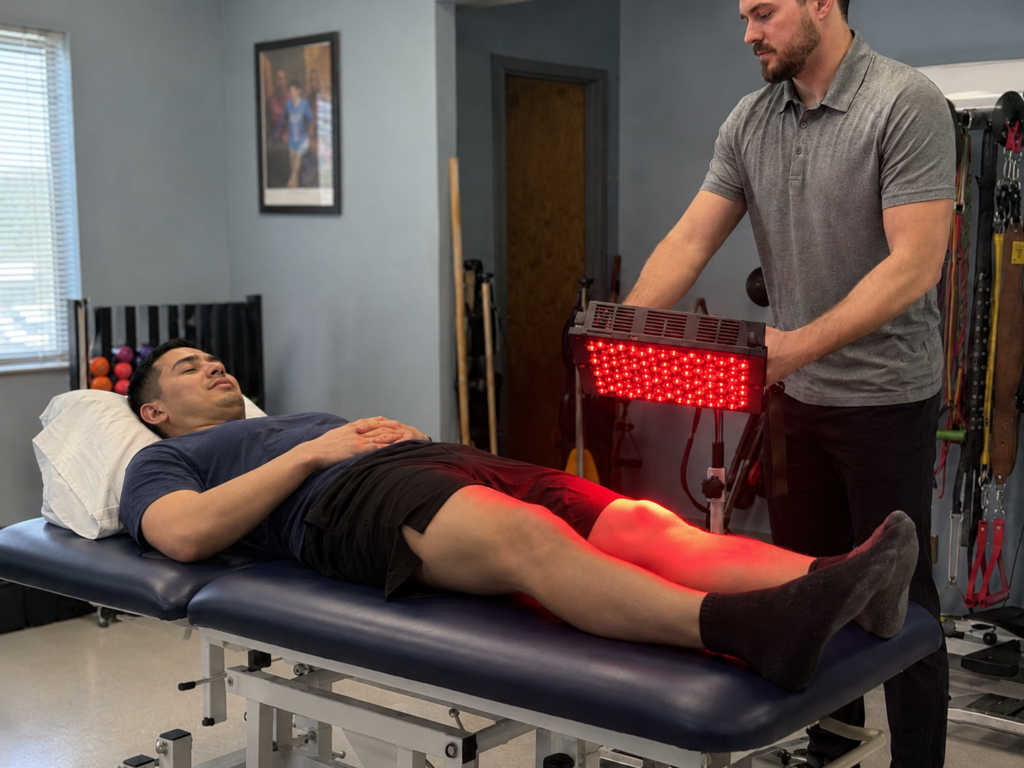
Red light therapy panel used in a physical therapy room

Physical Therapy Rooms

Red light therapy panels or targeted devices can be designed to fit professional therapy room workflows when the product is stable, easy to operate and suitable for repeated use.

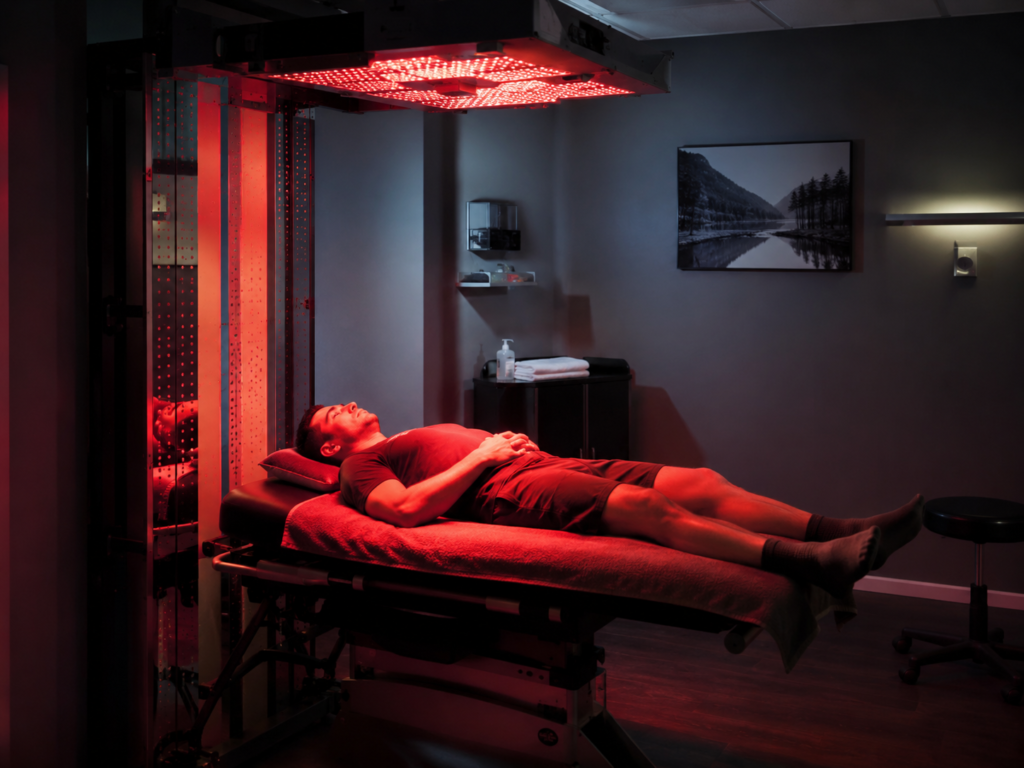
Red light therapy equipment used in a recovery center program

Recovery Center Programs

Recovery centers may use red light therapy products as part of structured wellness and recovery programs when device placement, session flow and user experience are planned together.

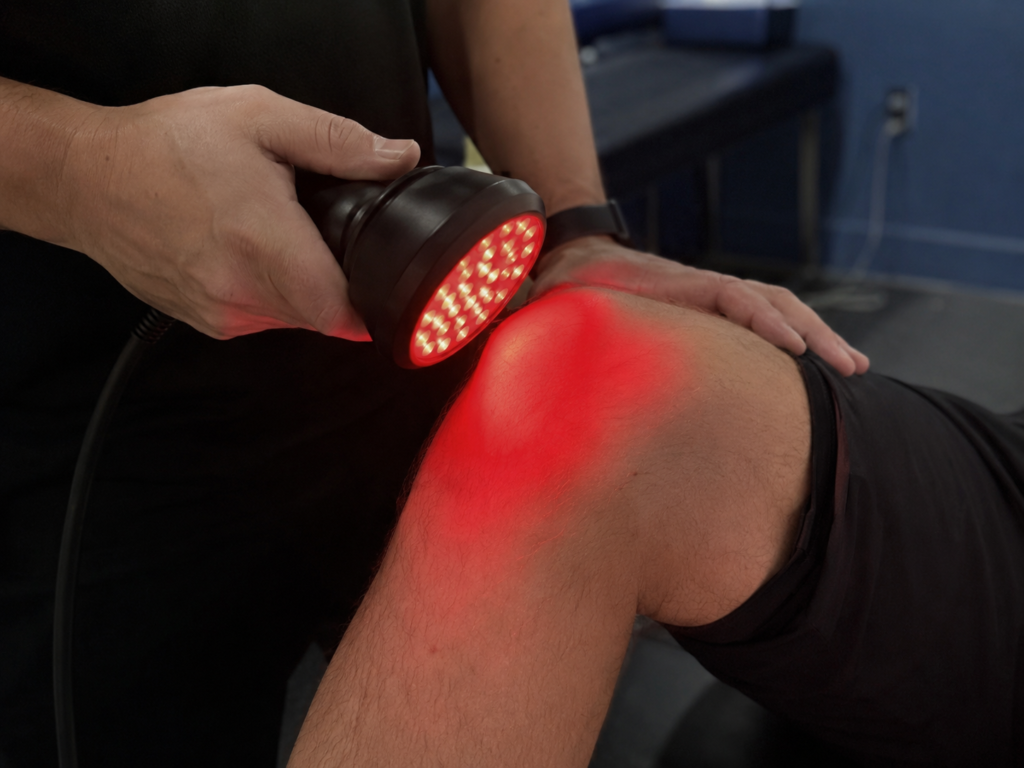
Targeted red light therapy device used in a rehab therapy application

Targeted Therapy Devices

Pads, wraps and handheld formats can support focused application scenarios where portability, positioning and caregiver operation matter.

Red light therapy equipment for private label rehab therapy products

Private Label Therapy Equipment

Therapy equipment brands can develop private label red light therapy products when product form, controls, materials, packaging and responsible use guidance are reviewed together.

Turning Rehab Therapy Needs Into Buildable Product Decisions

Red light therapy equipment for rehab therapy product decisions

HOW REDVANCE THINKS

A rehab therapy idea does not become a product by choosing a device from a catalog. It needs practical decisions around therapy workflow, coverage area, product form, mounting method, control experience, cleaning needs and responsible use guidance.

Product Form

Choose the right format, such as panel, pad, wrap, belt or handheld device based on the intended therapy environment.

Coverage & Positioning

Review target areas, use distance, device angle and positioning method for practical therapy room operation.

Therapist Operation

Consider simple controls, session setup, cleaning routines and repeated use in professional environments.

Compliance-Friendly Guidance

Align packaging, labels, manuals and marketing language with responsible product positioning and target market requirements.

Rehab Therapy FAQ

How does red light therapy fit into beauty and skincare applications?

Red light therapy can be used as a technology layer within beauty and skincare routines, service add-ons or private label product concepts. For beauty businesses, the key is not only the light itself, but also how the product fits into treatment flow, user comfort, brand presentation and daily operation.

A beauty-focused device should look refined, feel easy to use and fit naturally into professional care environments or consumer beauty routines. Product form, housing design, control interface, light configuration, packaging and user instructions all affect whether the product feels suitable for the beauty market.

Beauty-focused red light therapy products often consider red and near-infrared wavelength options, depending on the product concept and target use scenario. RedVance can help review wavelength combinations, LED layout and product structure based on the project direction, without forcing every brand into the same configuration.

Not necessarily. For beauty applications, product comfort, use distance, exposure time, coverage area and target user experience all matter. A higher output specification may not automatically mean a better product fit. The right configuration should be reviewed together with product type, application scenario and intended user routine.

Common directions include LED face masks, compact panels, standard panels, targeted wearable devices and treatment-room panels. The best choice depends on whether the project is aimed at salon services, skincare brand product lines, home beauty routines or professional beauty spaces.

Before starting, it is useful to clarify the target market, product form, expected use scenario, preferred appearance, packaging direction, certification needs and order plan. These details help turn a broad beauty idea into a more practical OEM/ODM development path.

Safety considerations may include electrical safety, heat management, eye protection guidance, material selection, user instructions, usage time and product labeling. Beauty brands should also avoid unsupported medical or treatment claims in marketing materials. The manufacturer and brand should align product design, instructions and claims carefully.

Usage frequency should follow the product’s user manual and intended design. Different devices may have different output levels, treatment distances and recommended session times. For B2B projects, RedVance can help prepare product-use guidance based on the selected model and configuration.